 Raleigh Premier Water Damage Restoration
Water Damage Restoration Raleigh North Carolina
Raleigh sits in the upper Neuse River watershed, and decades of rapid growth across Wake County have turned Crabtree Creek, Walnut Creek, and Swift Creek into fast-moving flood corridors. When a storm system, burst pipe, or plumbing failure sends water into your home, every hour matters. We provide water damage restoration in Raleigh, NC and across the greater Triangle area, 24 hours a day, 7 days a week. Call (984) 205-4552 now for an immediate response.
Call Now — 24/7 Emergency ResponseGet a Free Quote
Water Damage Restoration Services in Raleigh, North Carolina
Water damage in Raleigh can come from a burst pipe, a roof leak during a severe thunderstorm, or a tropical storm remnant that saturates Wake County for days on end. Whatever the source, flood damage restoration in Raleigh requires fast extraction, professional drying, and expert restoration to prevent secondary damage like mold. Raleigh's warm, humid summers — with average relative humidity regularly above 65% — mean that moisture in building materials can produce visible mold growth within days of a water event. Our IICRC-certified technicians handle every category of water loss: from clean water extraction to Category 3 black water remediation. We restore Raleigh homes and commercial properties to pre-loss condition, working directly with your insurance company. Serving all of Wake County and the surrounding Triangle region including Durham, Orange, Johnston, and Chatham counties.
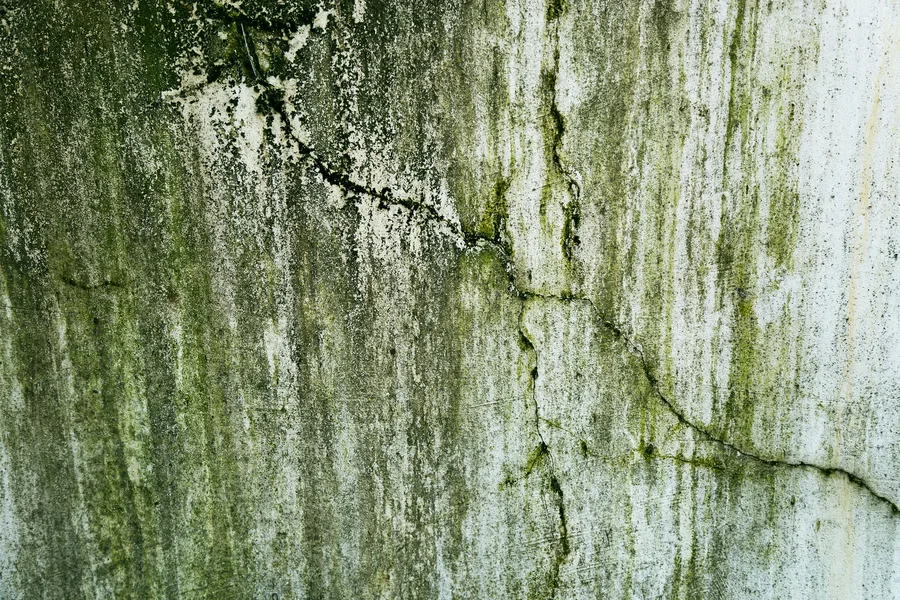
Mold Remediation Raleigh NC
Raleigh's humid climate creates persistent mold risk after any water event. Mold can begin colonizing wet surfaces in as little as 24 to 48 hours, and in Raleigh's summer heat and humidity, growth accelerates quickly. Our IICRC-certified technicians use HEPA air scrubbers, negative-pressure containment, and EPA-registered antimicrobial treatments to stop mold at its source. We inspect walls, ceilings, crawl spaces, and HVAC systems, and perform clearance testing after remediation. Call (984) 205-4552 for a free mold estimate.
Learn More About Mold Remediation →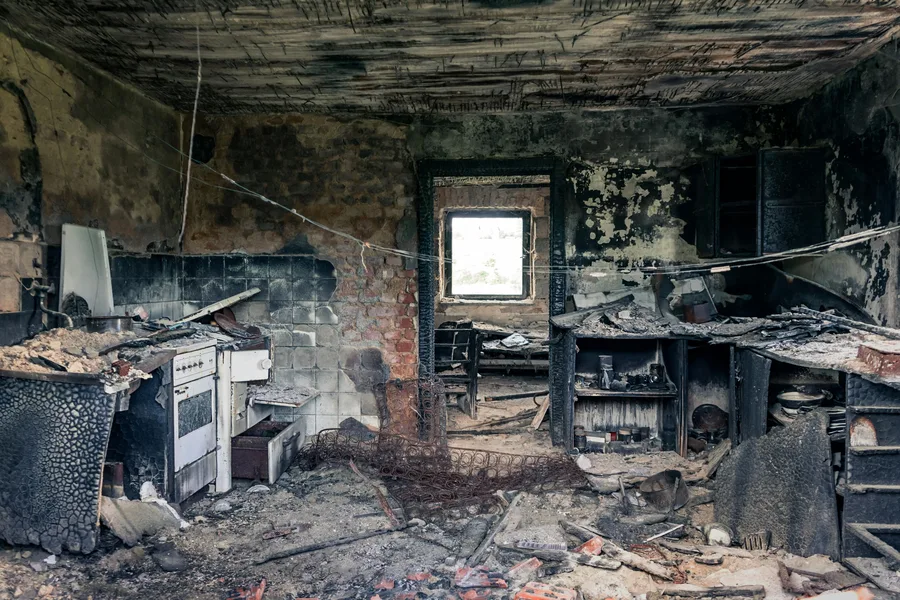
Fire & Smoke Damage Restoration Raleigh
A house fire leaves behind more than charred structure — soot, smoke residue, and suppression water create secondary damage that continues long after the flames are out. Our FSRT-certified technicians handle smoke odor removal, soot cleaning, thermal fogging, hydroxyl treatment, and content pack-out. One often-overlooked fact: firefighting water requires the same extraction and structural drying as any flood event. Call (984) 205-4552 for 24/7 response.
Learn More About Fire & Smoke Damage →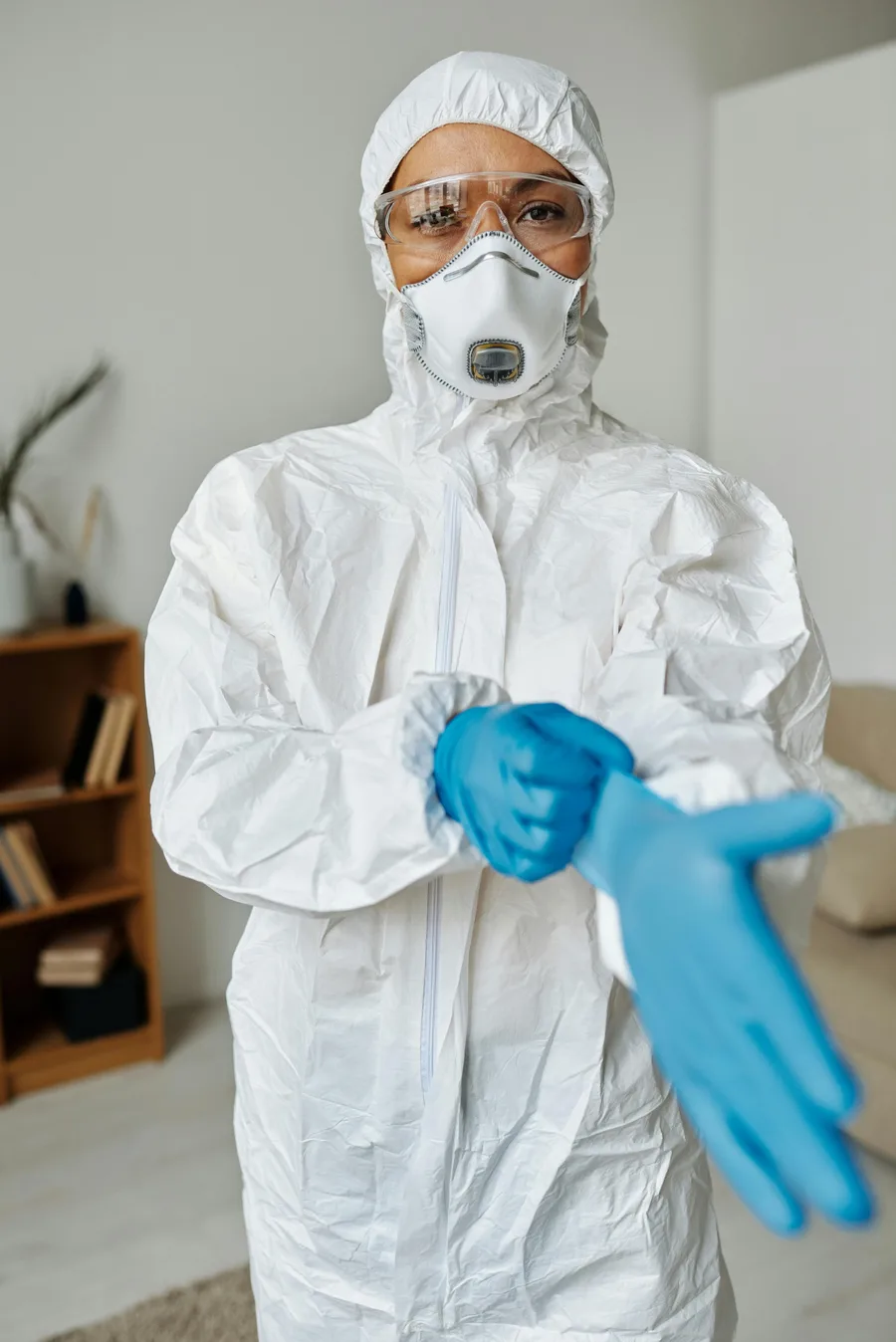
Sewage Cleanup Raleigh NC
Sewage backup is a Category 3 black water event — containing pathogens including bacteria, viruses, and parasites that pose serious health risks. Our biohazard-certified emergency sewage cleanup in Raleigh is available 24/7. Common causes include aging sewer infrastructure in older Raleigh neighborhoods, tree root intrusion, grease blockages, and sewer surcharges during heavy rainfall events that overwhelm Raleigh's combined and separate sewer systems. Do not attempt cleanup yourself — call (984) 205-4552 immediately.
Learn More About Sewage Cleanup →
Emergency Water Removal Raleigh NC
When water is actively standing in your Raleigh home, every minute of delay increases structural damage and mold risk. Our 24/7 emergency water removal team dispatches across the greater Raleigh area with truck-mounted extractors capable of removing hundreds of gallons per minute. We respond to burst pipes, storm flooding, appliance failures, and Category 3 sewage backups. Call (984) 205-4552 for immediate dispatch.
Learn More About Emergency Water Removal →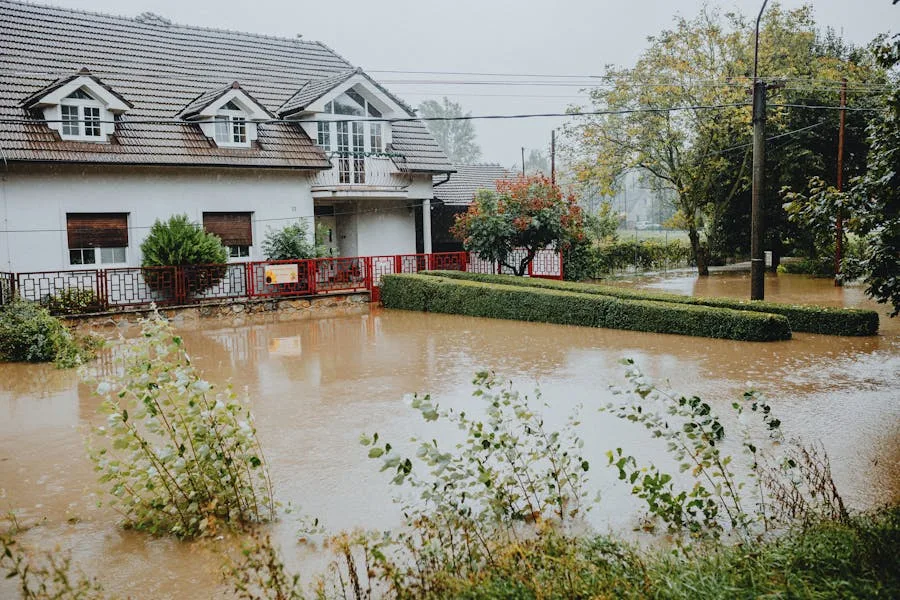
Structural Drying Raleigh NC
After water extraction removes standing water, building materials retain significant moisture that must be professionally dried before mold can establish. Raleigh's high summer humidity makes atmospheric drying conditions challenging — industrial LGR dehumidifiers and high-velocity air movers are required to achieve drying goals. Our ASD-certified technicians monitor moisture daily to confirm drying targets are being met. Standard consumer dehumidifiers cannot achieve professional drying outcomes.
Learn More About Structural Drying →Storm & Flood Damage Restoration in Raleigh, North Carolina
Raleigh's flood risk is rooted in its position within the upper Neuse River watershed. Crabtree Creek — which drains northwest Raleigh, Cary, and Morrisville before joining the Neuse — is the most flood-prone waterway in Wake County. Neighborhoods along the Crabtree Creek greenway corridor and low-lying areas in northwest Raleigh flood regularly during significant rain events. Walnut Creek drains southeast Raleigh and eastern Wake County, and Swift Creek has produced repeated flooding in the Garner and Cary areas.
Raleigh's most devastating flood event on record came when Hurricane Floyd stalled over North Carolina in September 1999, dropping 15 to 20 inches of rain across the region over several days. Crabtree Creek reached historic crests and hundreds of Raleigh-area homes and businesses were damaged. Hurricane Matthew in 2016 produced widespread flooding across eastern Wake County, and the remnants of multiple other Atlantic storms — including Tropical Storm Fred in 2021 — have added to the region's flood history. Raleigh's explosive growth over the past three decades has dramatically increased impervious surface coverage, making flash flooding from summer thunderstorms a year-round risk even without a named storm. If your Raleigh home was flooded, call (984) 205-4552 now.
Our Water Damage Restoration Process
Water damage restoration is a science, not just a cleanup. The IICRC S500 standard governs how certified technicians assess, dry, and restore water-damaged structures. The correct drying approach depends on the water classification (Category 1 clean water, Category 2 grey water, or Category 3 black water) and the damage class (Class 1 through Class 4, based on how deeply water has penetrated materials). Our Raleigh restoration team follows this framework on every job:
-
Emergency Contact & Assessment — Call (984) 205-4552 any time, day or night. We dispatch an IICRC-certified technician to your Raleigh home within hours for a full assessment of the damage scope, water classification, and drying requirements.
-
Water Extraction — Truck-mounted vacuum extractors remove standing water fast — gallons per minute, not hours. Every minute of water contact increases structural damage and the risk of secondary mold growth.
-
Structural Drying — Industrial LGR dehumidifiers and high-velocity axial air movers dry affected walls, floors, and subfloors. We monitor moisture levels with calibrated moisture meters and adjust equipment placement using psychrometric monitoring to hit drying targets efficiently.
-
Mold Prevention & Monitoring — Stopping mold requires hitting drying goals, not just running equipment. We take readings daily and use thermal imaging cameras to confirm no moisture pockets remain hidden behind surfaces.
-
Restoration & Repair — Damaged materials are removed and replaced. Flooring, drywall, insulation, and structural components are restored to pre-loss condition. We document every step for your insurance claim.
Licensed, Certified & Ready 24/7
When you search for a restoration company in Raleigh, you want technicians who understand that water moves — through walls, under floors, into structural cavities — and who have the equipment and training to follow it. Wood rot from water damage that is not properly dried can cost ten times more to repair than the original extraction would have. We don't cut drying short — and we'll tell you when we're done.
What Raleigh Homeowners Are Saying
“A pipe burst in our laundry room while we were away for a long weekend. By the time we got home there was water across the entire lower level. I called after hours and someone picked up immediately. The team was at our house in North Raleigh within two hours, had equipment running that night, and checked in every day until the walls were dry. Couldn’t have asked for a better experience.”— Karen T., North Raleigh, NC
“After a bad storm we had water coming in through our crawl space and pooling in the basement. These guys were the only ones who called back after hours. They handled everything with our insurance company directly and we barely had to do anything except sign off. Our basement is completely restored now.”— Michael R., Cary, NC
“We had a sewage backup in our finished basement and I didn’t know where to start. The crew was professional, thorough, and didn’t leave until everything was sanitized and dried. The smell was completely gone within a few days. I’ll never use anyone else.”— Diane L., Garner, NC
Serving Raleigh and the Entire Greater Triangle Area
We provide water damage restoration across Raleigh, North Carolina and the surrounding Triangle region — from Wake Forest to the north to Fuquay-Varina to the south, and from Durham to the west to Clayton and Zebulon to the east. Whether you’re in an older Oakwood home or a new Apex subdivision, our team dispatches from within the market.
Wake County
Raleigh, Cary, Apex, Holly Springs, Fuquay-Varina, Morrisville, Garner, Knightdale, Wake Forest, Wendell, Zebulon
Durham & Orange Counties
Durham, Chapel Hill, Hillsborough, Pittsboro
Johnston & Chatham Counties
Clayton, Smithfield, Sanford, Pittsboro, and surrounding Triangle communities
Whether you’re in a historic Five Points bungalow or a newer Brier Creek subdivision, our water damage restoration team in Raleigh, North Carolina is ready to respond. Call (984) 205-4552 — we’re available 24/7, including nights and weekends.
Get a Free Water Damage Quote in Raleigh
Don’t wait — water damage worsens quickly and mold risk begins within 24 to 48 hours. Call us now at (984) 205-4552 for 24/7 emergency response, or fill out the form and we’ll get back to you within the hour.
24/7 Emergency Response • IICRC Certified • Free Estimates • Licensed & Bonded in North Carolina
Water Damage Restoration FAQs — Raleigh, North Carolina
-
Stop the water source if possible — shut off the main water valve for a plumbing failure, or get to safety and call professionals if it’s storm flooding. Turn off power to affected areas to prevent electrical hazards. Move valuables and important documents to dry areas. Document everything with photos before touching anything — your insurance adjuster will need this. Then call a certified restoration company immediately. Mold can begin establishing in 24 to 48 hours, so speed matters.
-
Minor jobs — a single room, a burst pipe with no structural damage — typically require 3 to 5 days of drying equipment running, followed by 3 to 7 days for any necessary repairs. Major flooding from a storm event or sewage backup can take 2 to 4 weeks from initial extraction to full restoration. Daily moisture monitoring is essential to confirm drying goals are being met.
-
Standard HO-3 and HO-5 homeowners policies typically cover sudden and accidental water damage — a burst pipe, a failing water heater, an appliance leak. They do not cover flooding from outside sources like rising creek or river water, which requires a separate flood insurance policy through the NFIP or a private insurer. Sewage backup may or may not be covered depending on whether you have a sewer backup rider. We work directly with your insurance company to document damage and support your claim regardless of coverage source.
-
Mold can begin colonizing wet surfaces in as little as 24 to 48 hours after a water event. Raleigh’s warm, humid summers accelerate this risk significantly. Any wet material — drywall, wood framing, insulation, carpet padding — is at risk from the moment the water event occurs. Professional structural drying equipment must bring indoor relative humidity below 60% to arrest mold growth; consumer fans and dehumidifiers are rarely sufficient for anything beyond a very minor spill.
-
Yes. Raleigh sits in the upper Neuse River watershed, and Crabtree Creek — which drains much of northwest Raleigh and Cary — has a well-documented flooding history going back decades. Hurricane Floyd in 1999 was catastrophic, producing historic Crabtree Creek crests and widespread property damage across Wake County. Hurricane Matthew in 2016 caused significant flooding across eastern Wake County. Raleigh’s rapid growth has also dramatically increased impervious surface coverage, accelerating stormwater runoff and making flash flooding a year-round risk even from routine summer thunderstorms.
-
No. A licensed restoration company performs the scope and assessment on-site as part of the initial response — typically within a few hours of your call. Calling quickly is what matters most. If you wait for an inspection appointment, you’re giving water more time to penetrate building materials and mold more time to establish. We assess on arrival and begin work the same day.
-
Water mitigation is the emergency phase — stopping the damage from spreading. It includes extraction of standing water, drying structural materials, and containing the affected area to prevent secondary damage. Restoration is the rebuild phase — replacing damaged materials, repairing structures, and returning the property to pre-loss condition. Both phases are typically handled by the same certified restoration company, though insurance claims sometimes separate them into distinct line items.